
New PhD kicks off at the University of Portsmouth, UK – creating zebrafish models to understand CASK disorders better
Tuesday, 20 October 2026
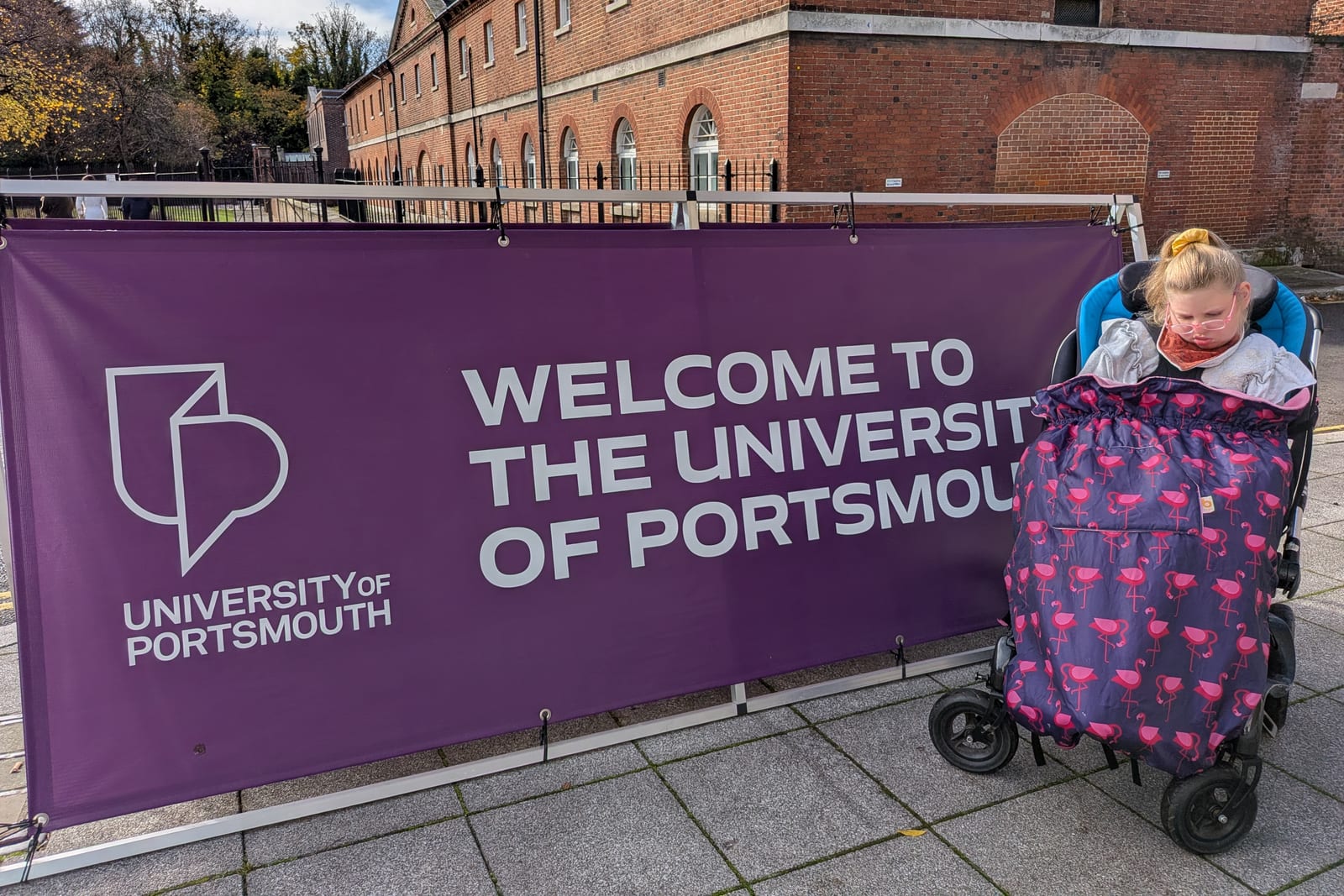
CASK Research has announced a new PhD research project at the University of Portsmouth that aims to improve understanding of CASK-related disorders, rare conditions that can have a profound impact on children and their families. Inspired by Sarah Hattersley, a young girl from the Portsmouth area living with a CASK-related disorder, the project will develop the first zebrafish models of the condition to help researchers better understand how it affects brain development.
The three-year project, led by Dr Jordi Cayuso, Senior Lecturer in Biomedical Sciences at the University of Portsmouth, will use advanced gene-editing techniques to create novel zebrafish models that mimic CASK-related disorders. Supported through a university-funded PhD studentship and a Royal Society Grant, the research marks an important step forward in improving understanding of a condition that affects children like Sarah around the world.
How the collaboration began
The collaboration began when Laura Hattersley, founder of CASK Research, reached out to Dr Cayuso to explore whether his expertise in developmental neurobiology could help advance research into CASK-related disorders.
Laura established the charity in 2022 after her daughter, Sarah, was diagnosed with a rare CASK-related neurodevelopmental disorder. Sarah, who lives near Portsmouth and attends Rachel Madocks School in Waterlooville, is non-verbal, uses a wheelchair, has a feeding tube and lives with epilepsy.
Motivated by the limited understanding of the condition and the urgent need for research, Laura established CASK Research and began connecting with scientists whose expertise could help uncover the biological mechanisms behind the disorder and create a brighter future for affected children and their families.
Recognising the strong alignment between his research interests and the unmet need for greater understanding of CASK biology, Dr Cayuso expressed an interest in exploring how zebrafish models could be used to study the condition.
“CASK Research's mission caught my attention, aligning closely with my research interests,” said Dr Cayuso at the outset of discussions. “Given the limited research on zebrafish models of CASK-related disorders, and the lack of published CASK mutants, I saw an opportunity to develop valuable tools for investigating CASK function during development and generating new insights into the molecular mechanisms underlying these disorders.”
Following an in-person meeting at the University of Portsmouth, those early discussions quickly evolved into a research collaboration between CASK Research and the University, focused on creating new experimental models to better understand the impact of CASK mutations on neurological development. For Laura and her family, the project represents an important step forward in the search for answers for children living with rare and complex conditions like Sarah's.
What the research will do
The research aims to answer some of the many questions families affected by CASK-related disorders still face today. Researchers will use a combination of imaging and molecular biology techniques to investigate how changes in the CASK gene affect brain development. By better understanding the biological processes behind CASK-related disorders, the project aims to help explain why children affected by the condition experience developmental and neurological challenges, while creating valuable tools for future research.
“Zebrafish are a powerful tool for understanding the basic biology behind CASK-related disorders, because the way their brain develops shares many key features with ours. Their embryos are transparent, allowing us to watch the brain form in real time,” said Dr Cayuso. “We still know very little about how CASK works, so we are very excited to discover what it does and in which cells of the developing brain it is needed. This will help us understand these conditions better and is a first step towards finding new ways to support children like Sarah and their families.”
In January 2026, Dr Cayuso presented the planned research programme to an international audience during CASK Research's global virtual scientific meeting, where he outlined how the project could help address key gaps in understanding the disease.
Research close to home
“What began as an email to Dr Cayuso has grown into a funded PhD project with the potential to uncover important insights into how CASK mutations affect brain development,” said Laura. “Sarah is an incredible young girl who faces significant challenges every day, yet she continues to inspire everyone around her. Having this research take place at the University of Portsmouth is particularly meaningful to us because it is happening close to home. Seeing this project move forward gives us hope for a better understanding of CASK-related disorders and a brighter future for families like ours.”
While the project has the potential to benefit families affected by CASK-related disorders around the world, it also highlights the impact that local families can have on advancing medical research. Laura hopes that sharing Sarah's story will raise awareness of the challenges faced by children with complex disabilities and the importance of supporting rare disease research.
Get CASK news in your inbox
Monthly research breakthroughs, family stories and ways to help — straight to your inbox.